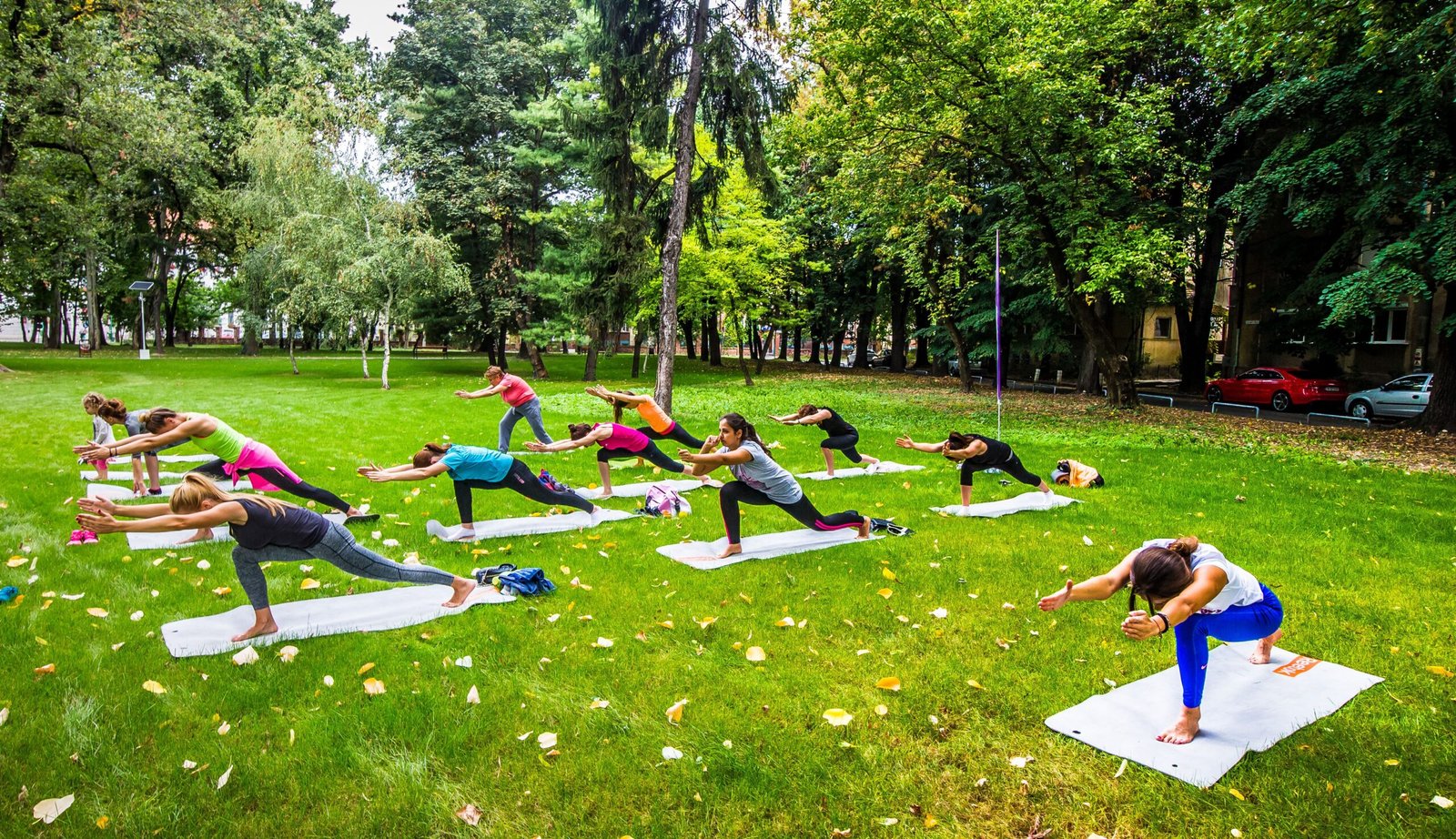
Staying active becomes even more important as we get older. The right fitness tips for people over 50 can help you maintain strength, balance, flexibility, and energy without requiring extreme workouts. You do not need to train like you did in your 20s or 30s. Instead, focus on exercises that fit your current fitness level and support your everyday life.
Why Fitness Matters After 50
After 50, muscle mass, bone strength, balance, and flexibility can gradually change. Regular physical activity can help you stay strong and independent while supporting heart health and overall well-being.
The goal is not always to exercise harder. It is to exercise smarter and stay consistent.
A combination of strength training, aerobic activity, balance exercises, and flexibility work can create a well-rounded fitness routine.
1. Start With Low-Impact Exercise
Low-impact exercises are a good starting point for many people over 50. They can provide cardiovascular benefits while putting less stress on the joints.
Walking is one of the simplest choices. You can walk outdoors, around your neighborhood, or on a treadmill at home.
Other options include cycling, swimming, water aerobics, and using an elliptical machine.
If you have not exercised for a long time, begin with shorter sessions and gradually increase the duration.
2. Add Strength Training
Strength training is one of the most important fitness tips for people over 50.
Muscle strength supports everyday activities such as climbing stairs, carrying groceries, getting out of a chair, and lifting objects.
You do not necessarily need heavy weights. Bodyweight exercises, resistance bands, light dumbbells, and machines can all be useful.
Simple exercises include squats to a chair, wall push-ups, resistance-band rows, and light shoulder presses.
Start with a weight that allows you to maintain good form. Increase the resistance gradually as you become stronger.
3. Work on Balance
Balance can become increasingly important with age. Including balance exercises in your routine may help you become more confident when moving around.
Try standing on one foot while holding a sturdy chair or counter for support. You can also practice heel-to-toe walking or simple balance movements.
Always perform balance exercises in a safe area where you have something stable to hold if needed.
4. Do Not Ignore Flexibility
Flexibility can make everyday movements feel easier.
Spend a few minutes stretching after your workouts or when your muscles are warm. Focus on areas that tend to feel tight, such as the hips, shoulders, legs, and back.
Gentle stretching should not cause sharp pain. Move slowly and avoid forcing a joint beyond a comfortable range.
Yoga and gentle mobility exercises can also be useful ways to work on flexibility.
5. Make Walking Part of Your Routine
Walking deserves special attention because it is simple, accessible, and easy to adjust.
You can start with a 10- or 15-minute walk and gradually build up your activity.
Try walking after meals, taking the stairs when appropriate, or adding short walks throughout the day.
If outdoor walking is difficult because of weather or mobility concerns, a treadmill can provide another option at home.
6. Exercise Your Core
A strong core can support posture, balance, and everyday movement.
Core training does not have to mean doing hundreds of sit-ups. Exercises such as bird dogs, modified planks, dead bugs, and controlled leg movements can provide a more balanced approach.
Choose exercises that match your current ability and focus on controlled movement rather than speed.
7. Give Your Body Enough Recovery
Recovery becomes an important part of a fitness routine.
You may need more time between challenging workouts than you did when you were younger. That does not mean you should stop exercising. It means you should pay attention to how your body responds.
Include easier days in your weekly routine. Sleep well, stay hydrated, and give sore muscles time to recover.
If an exercise causes persistent or unusual pain, stop and consider discussing it with a healthcare professional.
8. Focus on Consistency Instead of Intensity
One of the best fitness tips for people over 50 is to build a routine you can maintain.
You do not need to complete an intense workout every day. A moderate routine that you follow consistently can be more realistic than a demanding program that you quickly abandon.
For example, you might walk several days a week, strength train a couple of times a week, and add short balance and flexibility sessions.
The exact routine can vary depending on your fitness level and goals.
9. Choose Exercises You Enjoy
Exercise should not feel like punishment.
If you enjoy walking, make walking a major part of your routine. If you prefer cycling, swimming, dancing, or group classes, use those activities to stay active.
Enjoyment makes it easier to remain consistent.
You can also exercise with a friend or family member. Having someone to exercise with can make workouts more social and enjoyable.
10. Listen to Your Body
Your body can give you useful feedback.
Normal muscle fatigue after exercise is different from sharp pain, severe dizziness, unusual shortness of breath, or other concerning symptoms.
Do not try to push through symptoms that feel unusual or serious.
If you have a chronic condition, an injury, or concerns about starting a new exercise program, talk with your healthcare professional before making major changes to your routine.
A Simple Weekly Fitness Routine for People Over 50
A balanced weekly routine does not have to be complicated.
You could try a schedule such as:
Monday: 30-minute walk + gentle stretching
Tuesday: Strength training
Wednesday: Walking or another low-impact activity
Thursday: Balance and flexibility exercises
Friday: Strength training + short walk
Saturday: Longer walk, cycling, swimming, or another enjoyable activity
Sunday: Rest or gentle movement
This is only an example. Your schedule should match your fitness level, preferences, and recovery needs.
What Is the Best Exercise for People Over 50?
There is no single best exercise for everyone over 50.
A combination of aerobic activity, strength training, balance work, and flexibility exercises can provide a more complete fitness routine.
Walking is an excellent starting point because it requires little equipment. Strength training is also valuable for maintaining muscle function. Activities such as swimming, cycling, and elliptical workouts can add variety.
The best exercise is ultimately one that is appropriate for you and that you can perform safely and consistently.
How Often Should People Over 50 Exercise?
How often you exercise depends on your current fitness level, health, and goals.
Rather than trying to do everything at once, build your routine gradually. Combine aerobic activity with strength training and include regular opportunities for balance and flexibility work.
If you are new to exercise, even small amounts of activity can be a useful starting point.
Over time, focus on becoming more active while allowing enough recovery between challenging sessions.
Also Read: Weight Loss Tips for Women Over 40: Simple and Sustainable Strategies
Final Thoughts
The best fitness tips for people over 50 are not about trying to turn back the clock. They are about building strength, maintaining mobility, improving endurance, and staying active in everyday life.
Start at a level that feels manageable. Walk regularly, add strength training, work on balance and flexibility, and give your body enough time to recover. Most importantly, choose activities you enjoy so fitness becomes a long-term habit rather than a short-term challenge.
Small, consistent steps can make a big difference to your fitness and quality of life after 50.