Finding effective weight loss tips for women over 40 can be challenging. Your body may respond differently to diet and exercise than it did in your 20s or 30s. Changes in muscle mass, activity levels, sleep, and hormones can all affect weight management.
However, losing weight after 40 is still possible. You do not need an extreme diet or hours of exercise every day. A combination of nutritious food, strength training, regular movement, good sleep, and consistent habits can support healthy weight management.
Why Weight Loss Can Feel Different After 40
Many women notice changes in their body as they get older.
Muscle mass tends to decrease with age if it is not maintained through resistance training. Since muscle tissue uses energy, maintaining muscle can be helpful for overall energy expenditure.
Daily activity may also decrease because of work, family responsibilities, or a more sedentary lifestyle.
Hormonal changes during perimenopause and menopause can also affect body composition and where the body stores fat.
These changes do not mean that weight loss is impossible. They simply mean that your approach may need to focus more on overall lifestyle habits.
Eat More Protein
One of the most useful weight loss tips for women over 40 is to pay attention to protein intake.
Protein can help you feel satisfied after meals and is important for maintaining muscle.
Good sources include eggs, fish, chicken, lean meat, Greek yogurt, cottage cheese, tofu, beans, and lentils.
Try to include a protein source in each main meal.
For example, you could have eggs and Greek yogurt at breakfast, chicken or tofu at lunch, and fish or beans at dinner.
Add Strength Training
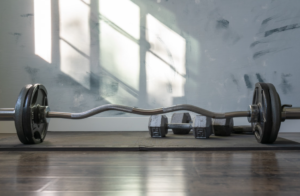
Strength training becomes especially useful as you get older.
Resistance exercises can help maintain and build muscle. They can also improve strength and make everyday activities easier.
You do not need to lift extremely heavy weights.
Dumbbells, resistance bands, machines, and bodyweight exercises can all be used.
Basic movements such as squats, lunges, rows, presses, and hip-hinge exercises can form the foundation of a simple strength routine.
Aim for consistency rather than trying to do too much too quickly.
Walk More Every Day
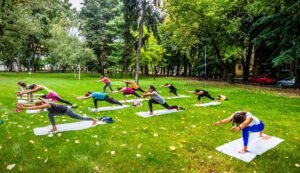
Walking is an easy way to increase daily activity.
You can take a walk after meals, walk during your lunch break, or take the stairs instead of the elevator when practical.
You do not have to complete all your daily activity in one workout.
Several short walks throughout the day can add up.
Walking can also be easier to maintain than high-intensity exercise, especially if you are just getting started.
Eat More Whole Foods
A healthy weight-loss diet does not need to be complicated.
Build most meals around minimally processed foods such as vegetables, fruits, whole grains, lean proteins, beans, and healthy fats.
Foods with plenty of fiber can also help make meals more satisfying.
You do not have to completely eliminate your favorite foods. Instead, pay attention to portion sizes and how often you eat highly processed, calorie-dense foods.
A flexible approach is usually easier to maintain over the long term.
Pay Attention to Portions
Even healthy foods can contribute a lot of calories when portions become very large.
You do not necessarily need to weigh every ingredient or track every calorie.
Instead, start by paying attention to hunger and fullness.
Using a smaller plate, eating slowly, and serving reasonable portions can make it easier to avoid eating more than you need.
If you are consistently gaining weight, reviewing portion sizes can be a useful starting point.
Do Not Completely Avoid Carbohydrates
Carbohydrates are not automatically bad for weight loss.
Foods such as oats, potatoes, beans, fruit, brown rice, and whole grains can provide carbohydrates along with important nutrients.
The overall quality and quantity of your diet matter more than simply removing an entire food group.
Choose high-fiber carbohydrate sources more often and adjust portions based on your individual needs and activity level.
Get Enough Sleep
Sleep is an important part of a healthy lifestyle.
Poor sleep can make it more difficult to maintain healthy eating and exercise habits. It may also affect hunger and food choices.
Try to create a consistent bedtime routine.
Keep your bedroom comfortable and limit activities that make it harder to wind down before bed.
If you regularly have serious sleep problems, consider discussing them with a healthcare professional.
Manage Stress
Stress can affect eating habits and daily activity.
Some people eat more when they are stressed, while others may skip meals and then become very hungry later.
Find healthy ways to manage everyday stress.
Walking outside, exercising, spending time with friends, practicing relaxation techniques, and taking regular breaks can all be useful.
You do not need to remove all stress from your life. The goal is to develop healthier ways to respond to it.
Drink More Water
Water should be your main drink throughout the day.
Replacing sugary drinks with water can be a simple way to reduce unnecessary calories.
Coffee and tea can also fit into a healthy diet, but be aware of added sugar, cream, and high-calorie flavorings.
Your hydration needs depend on factors such as activity, climate, and individual circumstances.
Be Careful With Crash Diets
Extreme diets may promise dramatic results in a short period.
However, very restrictive eating plans can be difficult to maintain. They may also make it harder to get enough nutrients and maintain a healthy relationship with food.
Instead of trying to lose as much weight as possible in a few weeks, focus on sustainable habits.
A slower approach can give you more time to build routines that you can continue.
Track More Than Your Weight
The number on the scale is only one measure of progress.
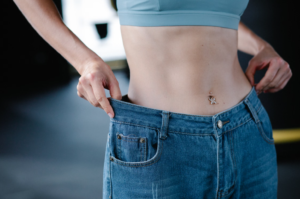
You can also track your waist measurement, strength, energy levels, fitness performance, and how your clothes fit.
Weight can naturally fluctuate because of water, food intake, and other factors.
Look at longer-term trends rather than becoming frustrated by daily changes.
Create a Realistic Exercise Routine
You do not need to exercise every day to make progress.
A weekly routine could include strength training several times per week, regular walking, and some cardiovascular activity.
For example, you might strength train on three days and walk or perform moderate cardio on several other days.
Start at a level you can manage and gradually increase your activity.
If you have not exercised for a long time or have health concerns, talk with a healthcare professional before beginning a new exercise program.
Be Patient With Your Progress
One of the most important weight loss tips for women over 40 is to be patient.
Your body may not change as quickly as it did when you were younger.
That does not mean your efforts are not working.
Focus on the habits you can control. Eat nutritious foods, stay active, train your muscles, sleep well, and maintain your routine.
Small changes repeated over many weeks can produce meaningful results.
FAQ About Weight Loss for Women Over 40
What is the best way for a woman over 40 to lose weight?
A sustainable approach usually combines a nutritious diet, appropriate calorie intake, strength training, regular physical activity, adequate protein, good sleep, and stress management.
How can I lose belly fat after 40?
You cannot specifically choose where your body loses fat. Reducing overall body fat through appropriate nutrition and regular exercise can eventually reduce abdominal fat. Strength training can also help maintain muscle while losing weight.
Should women over 40 do cardio or strength training?
Both can be useful. Cardio supports cardiovascular fitness and increases physical activity, while strength training helps maintain muscle and strength. Combining both can create a more balanced exercise routine.
How much protein should a woman over 40 eat?
Protein needs vary based on factors such as body size, activity level, and health goals. Instead of focusing only on one number, try to include a good protein source with your meals. A registered dietitian can provide individualized guidance.
Can I lose weight after 40 without giving up carbs?
Yes. You do not need to completely eliminate carbohydrates to lose weight. Choose nutritious, high-fiber sources and pay attention to portions and your overall calorie intake.
How long does it take to lose weight after 40?
The timeline varies from person to person. Starting weight, diet, activity, sleep, genetics, and other factors can affect progress. Focus on sustainable changes rather than expecting dramatic results in a few weeks.
You May Like:
How to Stick to New Year Fitness Goals: Tips to Stay Motivated and Achieve Success
How to Get Shredded: Fitness Tips for a Leaner, Stronger Body
Final Thoughts
The best weight loss tips for women over 40 are not about finding a magic food or a perfect workout.
Focus on the basics. Eat enough protein and nutritious whole foods. Include strength training. Walk regularly. Get enough sleep. Manage stress and stay consistent.
Your body may change as you get older, but healthy habits remain valuable at every age.
Instead of looking for the fastest way to lose weight, build a routine that you can realistically follow for the long term.