Are treadmills bad for your knees? This is a common question for people who want to improve their fitness but worry about joint pain or knee injuries. The good news is that treadmills are not automatically bad for your knees. When used correctly, a treadmill can be a safe and effective way to improve cardiovascular health, support weight management, and strengthen the muscles around your knees.
However, improper running form, excessive workouts, incorrect settings, or using a treadmill with existing knee problems may increase stress on your joints. Understanding how to use a treadmill properly can help you enjoy the benefits while protecting your knees.
Are Treadmills Bad for Your Knees?
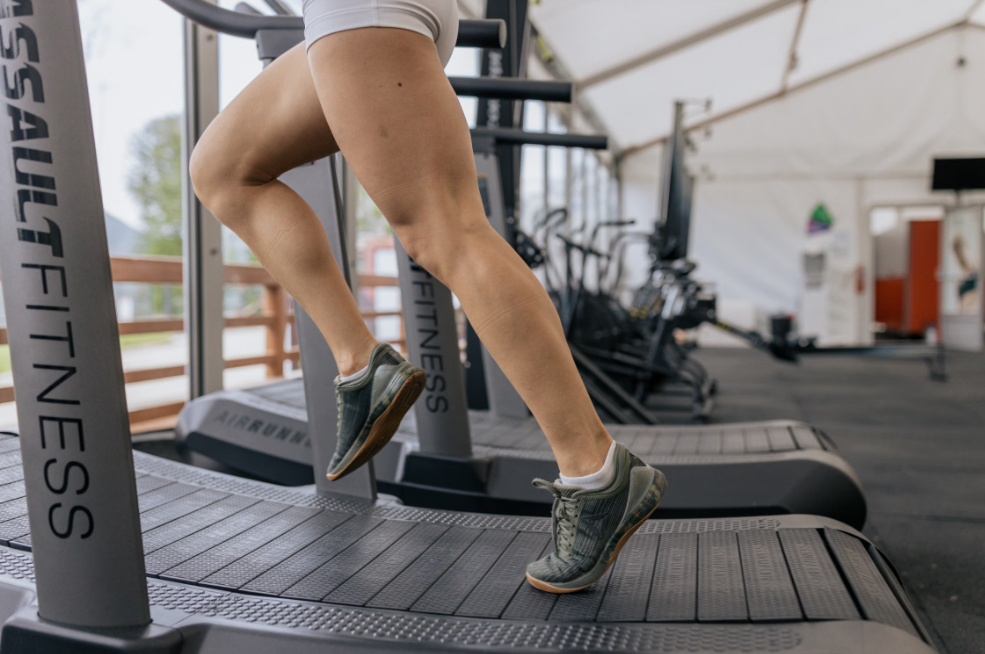
Treadmills are not bad for your knees when they are used properly. In many cases, walking or running on a treadmill can actually be a better option than outdoor running because treadmill surfaces are usually more predictable and slightly softer than concrete or asphalt.
A treadmill allows you to control your speed, incline, and workout intensity. This makes it easier to create a workout that matches your fitness level. For beginners, seniors, or people recovering from minor joint issues, walking on a treadmill at a comfortable pace can be a low-impact way to stay active.
The main reason some people experience knee pain from treadmill workouts is not the treadmill itself. It is usually caused by factors such as poor posture, overtraining, worn-out shoes, or exercising at an intensity that is too high.
How Treadmills Can Affect Your Knees
Treadmills Can Reduce Impact Compared to Outdoor Running
Outdoor running often involves uneven surfaces, sidewalks, and hard pavement. These conditions can create additional impact on your knees. Most treadmills use shock-absorbing belts that may reduce some of the stress placed on your joints.
For people who experience discomfort when running outdoors, a treadmill may provide a more controlled workout environment.
Incorrect Running Form Can Increase Knee Stress
Your running and walking technique plays an important role in knee health. Common mistakes include:
- Landing too heavily on your feet
- Taking very long steps
- Leaning too far forward or backward
- Looking down while walking or running
Maintaining good posture and using natural movement can help reduce unnecessary pressure on your knees.
Too Much Training Can Cause Knee Problems
Even healthy joints can become painful if you increase your workouts too quickly. Running for long periods or using high incline settings without proper preparation can place extra stress on your knees.
It is better to gradually increase workout time and intensity. Giving your body enough time to adapt can help prevent common exercise-related injuries.
Also Read: Best Affordable Treadmill for Walking
Benefits of Using a Treadmill for Knee Health
Helps Strengthen Muscles Around the Knees
Walking and running strengthen important muscles, including your quadriceps, hamstrings, and glutes. Stronger muscles help support your knee joints and improve movement stability.
Supports Weight Management
Extra body weight can increase pressure on your knees during daily activities. Regular treadmill workouts can help burn calories and support healthy weight management, which may reduce stress on your joints.
Provides a Controlled Workout Environment
One advantage of treadmill exercise is that you can easily adjust your workout. You can choose a slower walking speed, lower incline, or shorter workout duration based on how your knees feel.
Who Should Be Careful When Using a Treadmill?
Although treadmills are safe for many people, some individuals should use extra caution. People with serious knee injuries, severe joint pain, or certain medical conditions should talk with a healthcare professional before starting a new exercise program.
You should also pay attention to warning signs during workouts. Stop exercising and seek advice if you experience:
- Sharp or severe knee pain
- Swelling around the knee
- Pain that continues after exercise
- Difficulty walking normally
Normal muscle fatigue is different from joint pain. Listening to your body can help you exercise safely.
How to Use a Treadmill Without Hurting Your Knees
Start With Walking
If you are new to treadmill workouts, begin with walking instead of running. Walking provides cardiovascular benefits while placing less stress on your joints.
Start with a comfortable speed and gradually increase your workout time as your fitness improves.
Choose the Right Speed and Incline
A steep incline can increase the workload on your legs and knees. Beginners should avoid using high incline settings until they build enough strength and endurance.
A moderate incline and comfortable speed are usually better choices for long-term consistency.
Wear Supportive Shoes
Proper footwear is important for protecting your knees. Choose workout shoes with good cushioning and support. Replace old shoes when they become worn because reduced support may affect your walking or running form.
Maintain Good Posture
Keep your back straight, shoulders relaxed, and eyes looking forward. Avoid holding the treadmill handles during normal walking or running because this can change your natural movement pattern.
Is Walking on a Treadmill Better Than Running for Your Knees?
For many people, walking on a treadmill is easier on the knees than running. Walking creates less impact while still providing many health benefits, including improved heart health, better circulation, and calorie burning.
Running can also be safe for healthy knees when performed with proper technique and appropriate training. The best choice depends on your fitness level, goals, and how your body responds to exercise.
Are Incline Treadmills Bad for Your Knees?
Incline treadmill workouts are not necessarily bad for your knees. In fact, walking at a moderate incline can help increase workout intensity without requiring faster speeds.
However, a very steep incline can place additional stress on your knees, especially if you are a beginner. Start with a small incline and increase gradually as your strength improves.
Also Read: Best Home Treadmill for Running
Frequently Asked Questions
Is walking on a treadmill bad for arthritis knees?
Walking on a treadmill may be beneficial for many people with arthritis because it is a low-impact exercise option. However, the workout intensity should match your comfort level. People with arthritis should avoid movements that cause increased pain and consult a healthcare professional if needed.
Is running on a treadmill safer than running outside?
Running on a treadmill can be safer for some people because the surface is more consistent and the environment is easier to control. However, proper running form and gradual training are still important for protecting your knees.
How long should I walk on a treadmill for knee health?
Many beginners can start with 20 to 30 minutes of comfortable walking several times per week. The ideal duration depends on your fitness level, health condition, and personal goals.
What is the best treadmill workout for beginners?
A beginner treadmill workout usually includes a warm-up, comfortable walking, and a gradual increase in speed or incline. Starting slowly allows your body to adapt and reduces the risk of knee discomfort.
Do treadmills strengthen knees?
Treadmills do not directly strengthen the knee joint itself, but regular walking or running can strengthen the muscles around the knees. Stronger supporting muscles can improve stability and movement control.
Conclusion
So, are treadmills bad for your knees? The answer is no, not when they are used correctly. A treadmill can be a safe and effective fitness tool for improving heart health, managing weight, and staying active.
The key is choosing the right workout intensity, maintaining proper form, wearing supportive shoes, and increasing exercise gradually. Whether you prefer walking or running, using a treadmill responsibly can help you achieve your fitness goals while protecting your knee health.