If you want to know how to get shredded fitness tips can help you build a leaner and stronger body. Getting shredded usually means reducing body fat while maintaining or building muscle. It takes more than doing hundreds of crunches or spending hours at the gym. Your diet, workouts, sleep, and daily habits all matter.
The good news is that you do not need an extreme plan. A consistent routine with strength training, cardio, and healthy eating can help you make steady progress.
What Does Getting Shredded Mean?
Getting shredded generally means having a relatively low level of body fat while keeping visible muscle definition. The exact appearance varies from person to person.
Your genetics, muscle mass, age, sex, and body-fat distribution can all affect how defined your body looks.
A good goal is to focus on becoming stronger, healthier, and leaner rather than trying to reach an extremely low body-fat percentage.
How to Get Shredded With Strength Training
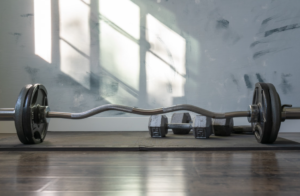
Strength training should be an important part of a shredding workout plan. When you lose weight, resistance training can help you maintain muscle.
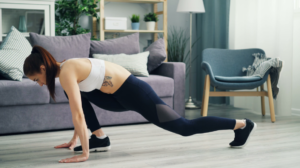
Focus on basic movements that train several muscle groups. Squats, lunges, rows, presses, pull-ups, and deadlift variations are useful options.
You do not need to train every muscle every day. Give your muscles enough time to recover between hard workouts.
Try to gradually increase the difficulty of your workouts. You can add weight, repetitions, sets, or improve your exercise technique over time.
Create a Small Calorie Deficit
One of the most important how to get shredded fitness tips is to pay attention to your calorie intake.
To lose body fat, you generally need to use more energy than you consume over time. This is known as a calorie deficit.
However, a very large calorie deficit is not usually necessary. Eating too little can make workouts harder and may make it more difficult to maintain muscle.
A moderate calorie deficit combined with regular exercise is a more practical approach for many people.
Eat Enough Protein
Protein is important when you are trying to become leaner while maintaining muscle.
Good protein sources include eggs, chicken, fish, Greek yogurt, lean meat, beans, lentils, tofu, and other protein-rich foods.
Including a source of protein in each main meal can make it easier to reach your daily protein needs.
You should also include vegetables, fruits, whole grains, and healthy fats. A balanced diet is easier to maintain than an extremely restrictive diet.
Do Cardio for Extra Activity
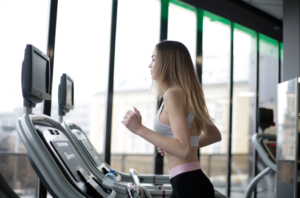
Cardio can support fat loss by increasing your overall energy expenditure.
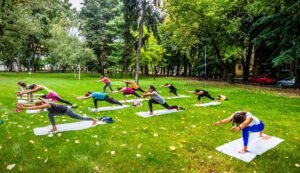
You do not have to spend hours running on a treadmill. Walking, cycling, swimming, jogging, rowing, and other activities can work well.
If you are new to exercise, start with more daily walking. You can gradually increase the duration or intensity as your fitness improves.
Cardio should support your strength training rather than completely replace it.
Increase Your Daily Movement
Your workout is only one part of your daily activity.
Walking more, taking the stairs, doing household chores, and standing more often can all increase your daily movement.
For people who sit for long periods, adding short walking breaks throughout the day can be a simple way to become more active.
Small habits may seem insignificant, but they can add up over weeks and months.
Get Enough Sleep
Sleep is often overlooked when people focus on getting shredded.
Your body needs time to recover from exercise. Poor sleep can also make it harder to maintain a consistent workout routine and healthy eating habits.
Most adults should aim for around seven to nine hours of sleep each night.
Try to keep a regular sleep schedule. A dark, quiet bedroom and less screen time before bed may also help improve your sleep routine.
Drink Enough Water
Staying hydrated is important for exercise performance and general health.
Water should be your main drink throughout the day. Your fluid needs can increase when you exercise or sweat heavily.
You do not need special detox drinks to get shredded. Focus on your overall diet and training instead.
Be Careful With “Quick Shred” Plans
Many fitness programs promise dramatic results in a few days or weeks.
Be cautious with plans that recommend extreme calorie restriction, excessive cardio, or cutting out entire food groups without a good reason.
Fast changes on the scale are not always the same as losing body fat. Some short-term weight changes can come from water and glycogen.
A slower and more consistent approach is usually easier to maintain.
Track Your Progress
The scale is only one way to measure progress.
You can also track your waist measurement, workout performance, progress photos, and how your clothes fit.
For example, if your weight changes slowly but your waist measurement decreases and your strength stays stable, you may still be making good progress.
Try to look at trends over several weeks instead of judging your results based on one day.
How Long Does It Take to Get Shredded?
There is no exact timeline for getting shredded.
Your starting body composition, calorie intake, training experience, genetics, and consistency all affect your results.
Instead of setting an unrealistic deadline, focus on sustainable weekly progress.
Remember that maintaining a lean physique also requires long-term habits. Getting there is only part of the process.
Simple Shredded Fitness Routine
A simple weekly routine could include strength training several times per week, regular cardio, and plenty of daily walking.
For example, you might perform full-body strength workouts on three days and add walking or moderate cardio on several other days.
Your exact schedule should match your fitness level and recovery ability.
The best routine is one that you can follow consistently.
Common Mistakes When Trying to Get Shredded
One common mistake is eating far too little. Extreme dieting may make you tired and can make training more difficult.
Another mistake is doing only cardio. Strength training is useful for maintaining muscle while losing body fat.
Some people also change their workout or diet every few days because they do not see immediate results. Body composition changes take time.
Finally, do not underestimate sleep and recovery. Training hard every day without enough recovery can make your routine difficult to maintain.
FAQ About Getting Shredded
What is the fastest way to get shredded?
There is no safe shortcut that works for everyone. A consistent calorie deficit, strength training, adequate protein, regular activity, and sufficient sleep are the main foundations.
Can I get shredded without going to the gym?
Yes. You can perform resistance exercises at home using bodyweight exercises, resistance bands, dumbbells, or other equipment. Walking, running, and cycling can also provide cardio.
How often should I work out to get shredded?
Many people can make good progress with several strength-training sessions per week combined with regular daily activity. Your ideal frequency depends on your experience, fitness level, and recovery.
Should I stop eating carbs to get shredded?
You do not necessarily need to eliminate carbohydrates. Foods such as oats, potatoes, rice, fruit, and whole grains can provide useful energy for training. Overall calorie intake and diet quality are more important than completely removing carbs.
Can you get shredded in 30 days?
You may be able to make noticeable progress in 30 days, especially if you are starting a new routine. However, how much body fat you can safely lose varies between individuals. Avoid extreme diets or workouts simply to meet a short deadline.
You May Like:
10 Ways to Stay Healthy and Fit
Final Thoughts
Learning how to get shredded fitness tips starts with understanding that fat loss and muscle maintenance work together. Strength training, a sensible calorie deficit, enough protein, cardio, daily movement, sleep, and consistency are the key pieces.
You do not need a perfect plan. You need a realistic plan that you can follow for months.
Focus on improving your habits rather than chasing fast results. Over time, those small improvements can help you build a leaner, stronger, and healthier body.