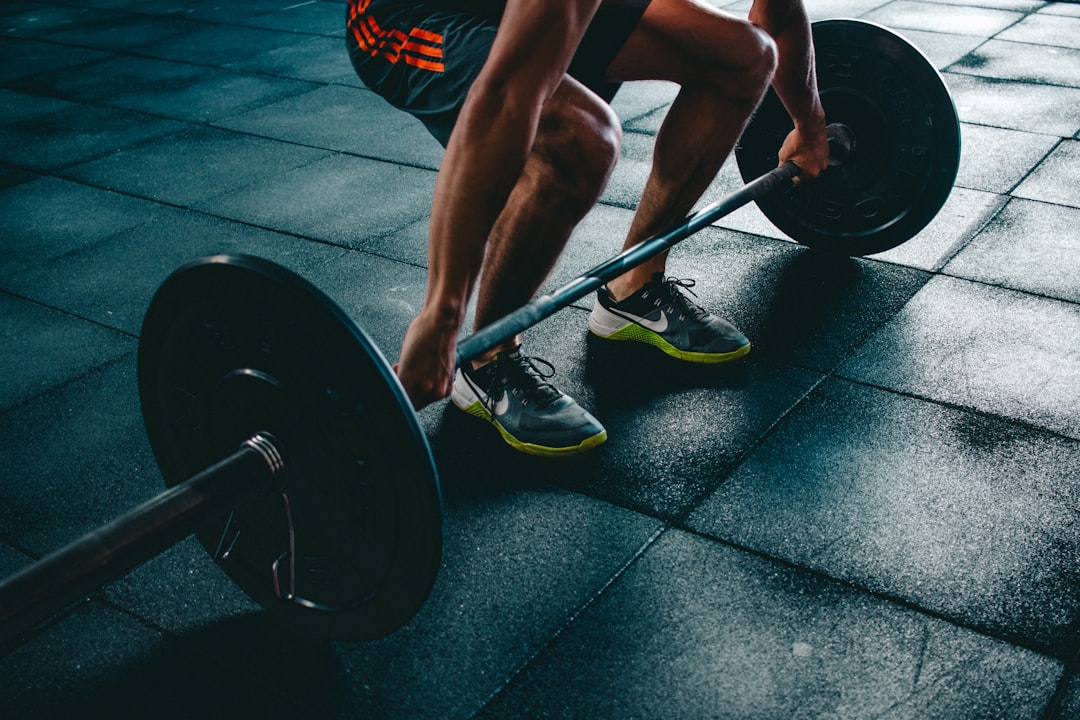
Starting a fitness journey can feel exciting but also overwhelming. Many beginners do not know where to start, what exercises to do, or how to stay motivated. These fitness tips for beginners can help you create a simple and effective plan that fits your lifestyle. Whether your goal is losing weight, building muscle, improving health, or simply becoming more active, the key is to start with realistic steps and stay consistent.
Fitness is not about quick results or extreme workouts. It is about building healthy habits that you can maintain for years. With the right approach, beginners can gradually improve their strength, endurance, confidence, and overall well-being.
Set Realistic Fitness Goals
One of the most important fitness tips for beginners is setting clear and realistic goals.
Many people make the mistake of expecting major changes within a few weeks. When results do not come quickly, they lose motivation. Instead, focus on achievable goals that you can measure.
Examples of realistic fitness goals include:
- Exercising three times per week
- Walking 8,000 to 10,000 steps per day
- Losing a healthy amount of weight gradually
- Improving flexibility or strength
- Building a consistent workout routine
Your goals should match your current fitness level. Small improvements over time can lead to significant results.
Start With Simple Workouts
Beginners do not need complicated training programs. The best workouts are usually simple, effective, and easy to follow.
A beginner fitness routine can include:
- Walking or light jogging
- Bodyweight exercises
- Beginner strength training
- Stretching and mobility exercises
- Low-impact cardio workouts
Exercises such as squats, push-ups, lunges, and planks can help build basic strength without requiring expensive equipment.
Start slowly and focus on learning proper form. Good technique helps prevent injuries and allows you to progress safely.
Create a Consistent Exercise Schedule
Consistency is more important than intensity when you are just starting.
Many beginners work out too hard at the beginning and quickly become tired or injured. A better approach is creating a realistic schedule that you can follow.
For example:
- Monday: Strength training
- Wednesday: Cardio workout
- Friday: Full-body workout
- Weekend: Walking or outdoor activities
Even 20 to 30 minutes of exercise can be beneficial if you do it regularly.
The goal is to make fitness part of your lifestyle, not a temporary challenge.
Focus on Strength Training
Strength training is an important part of a beginner fitness plan. It helps build muscle, improve metabolism, and support daily activities.
Many beginners think strength training is only for athletes, but everyone can benefit from it.
Benefits of strength training include:
- Increased muscle strength
- Better body composition
- Stronger bones
- Improved posture
- Higher calorie burn
Beginners can start with bodyweight exercises or light weights. Gradually increase difficulty as your body becomes stronger.
Improve Your Nutrition Habits
Exercise alone is not enough to achieve fitness goals. Nutrition plays a major role in your results.
Instead of following extreme diets, focus on balanced eating habits.
A healthy beginner diet should include:
- Lean protein such as chicken, fish, eggs, beans, and tofu
- Fruits and vegetables
- Whole grains
- Healthy fats
- Enough water
Protein is especially important because it supports muscle recovery and helps you feel full.
Avoid trying to change your entire diet overnight. Small improvements are easier to maintain.
Stay Hydrated
Water is essential for exercise performance and overall health.
When you do not drink enough water, you may experience:
- Low energy
- Poor workout performance
- Headaches
- Difficulty concentrating
Drink water regularly throughout the day, especially before and after workouts.
The amount you need depends on factors such as your activity level, climate, and body size.
Get Enough Rest and Recovery
Rest is often ignored by beginners, but recovery is an important part of fitness.
Your body needs time to repair muscles and adapt to exercise.
Good recovery habits include:
- Sleeping 7 to 9 hours per night
- Taking rest days
- Stretching after workouts
- Listening to your body
Training every day without recovery can increase the risk of fatigue and injuries.
Track Your Progress
Tracking progress can help you stay motivated and understand your improvements.
You can track:
- Workout frequency
- Weight changes
- Strength improvements
- Body measurements
- Energy levels
Remember that progress is not only about the number on the scale. You may become stronger, healthier, and more energetic even when weight changes slowly.
Avoid Common Beginner Fitness Mistakes
Many beginners make mistakes that slow their progress.
Common mistakes include:
Doing Too Much Too Soon
Starting with intense workouts can cause soreness, frustration, or injuries.
Begin with manageable workouts and increase gradually.
Comparing Yourself With Others
Everyone has a different fitness level and starting point.
Focus on your own progress instead of comparing yourself with others.
Ignoring Nutrition
Exercise without healthy eating habits may limit your results.
A balanced lifestyle creates better long-term success.
Skipping Warm-Ups
Warm-ups prepare your muscles and joints for exercise.
Spend a few minutes warming up before every workout.
Find Activities You Enjoy
Fitness should not feel like punishment.
The best exercise is one you enjoy and can continue doing.
Try different activities such as:
- Swimming
- Cycling
- Hiking
- Dancing
- Yoga
- Group fitness classes
When you enjoy your workouts, staying consistent becomes much easier.
Build Healthy Lifestyle Habits
Fitness is not only about workouts. It is a combination of daily habits.
Healthy habits include:
- Moving more during the day
- Eating nutritious foods
- Managing stress
- Sleeping well
- Staying positive
Small daily actions create long-term changes.
Frequently Asked Questions About Fitness Tips for Beginners
How often should beginners work out?
Beginners can start with three to four workouts per week. The most important thing is consistency rather than doing intense workouts every day.
What is the best exercise for beginners?
Walking, strength training, bodyweight exercises, and low-impact cardio are great options for beginners because they are simple and effective.
How long should a beginner workout last?
A beginner workout can be 20 to 45 minutes. The ideal duration depends on your fitness level and goals.
Can beginners lose weight with exercise?
Yes. Exercise combined with healthy eating can help beginners lose weight. Creating a calorie deficit and maintaining consistency are key factors.
How long does it take to see fitness results?
Most people notice improvements in energy and strength within several weeks. Visible body changes usually require consistent effort over several months.
Conclusion
Starting a fitness journey does not require a perfect plan. The most important fitness tips for beginners are to start small, stay consistent, eat well, and build healthy habits over time. Focus on progress instead of perfection, and remember that every workout brings you closer to your goals.
A successful fitness journey is not about short-term changes. It is about creating a healthier lifestyle that you can enjoy for the long term.